Want better skin? Choose the right serum, cream or lotion
· Citizen
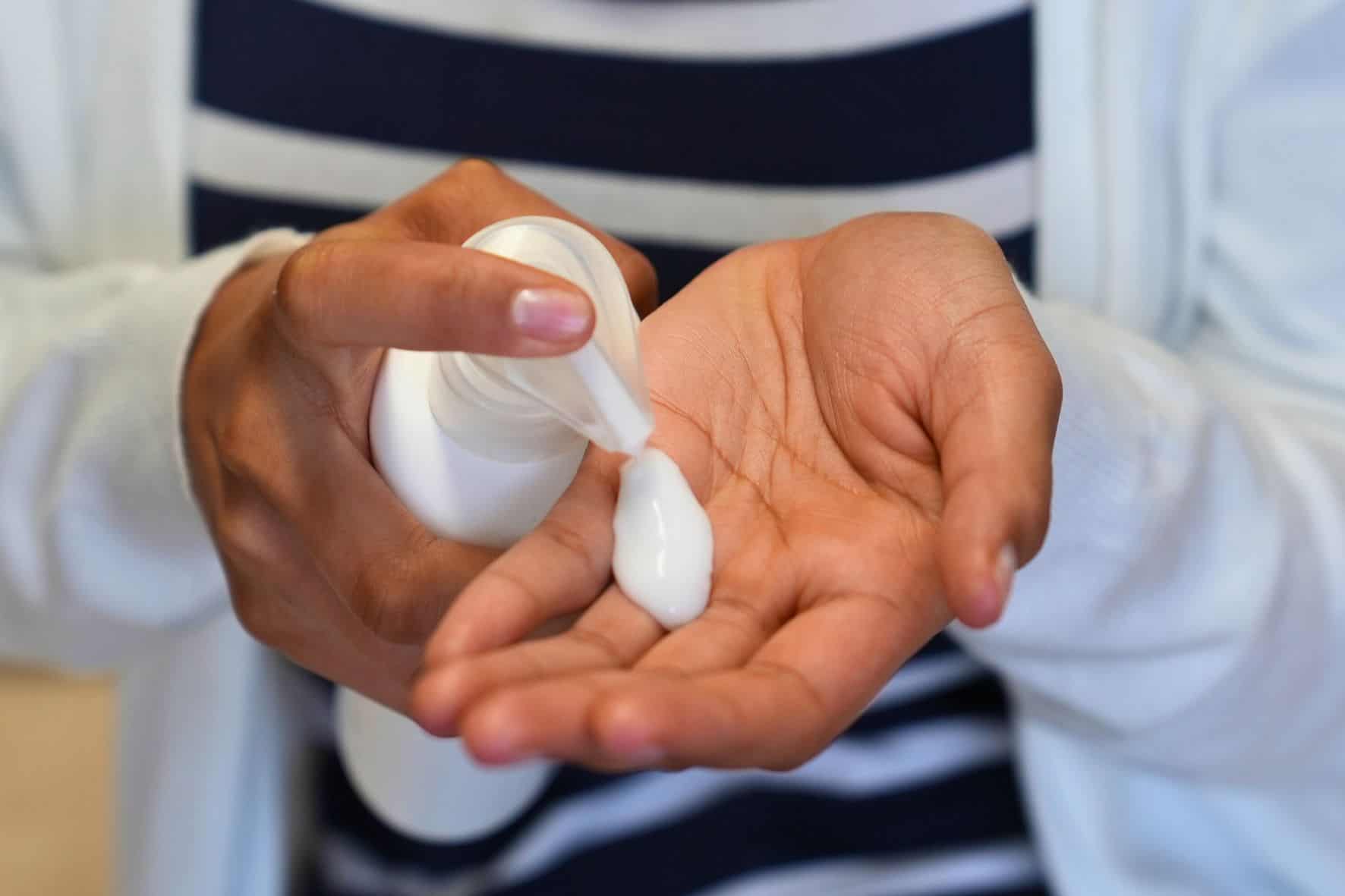
They’re all words that carry big promises. Lotions, creams, serums. It’s magic backed up by glossy claims, but what is the voodoo really and what are the differences between the three, because sometimes a rose by any name does not do the job as well as the real McCoy.
Consumers are buying blind, guided by marketing buzzwords rather than what happens on the skin, said aesthetic doctor and Twenty 4 co-founder Dr Juanri Jonck. She said the answer lies in formulation science, ingredient concentration and how products are layered.
Visit cat-cross.com for more information.
“In my practice, one of the most common questions I hear is ‘what truly makes a difference?'” Dr Jonck said.
The answer, she shared, often leads back to serums, not because they are fashionable, but because of how they are built.
“Serums are generally lower in oils with the main function to actively deliver the ingredients they carry. They maximise the contact between the active and the skin using a lower volume of the product.”
Dr Juanri Jonck explains the difference between products and ingredients. Picture: SuppliedThat lightweight feel when you hold the product is not accidental, she said. Serums are designed to move across the outer skin barrier more efficiently than thicker products. Creams and lotions have their place, but they play a different role.
“These all refer to different vehicles to transport the active ingredients. They differently affect the water balance, barrier function as well as the amount of active ingredients.”
It’s the amount of active ingredients that count
A cream, said Jonck, is a richer emulsion with a higher lipid content that reduces water loss and improves comfort. A lotion is lighter and works well as a daily moisturiser. Gels are mostly water based and suit oily skins but offer limited protection against evaporation unless paired with something more occlusive. In simple terms that means keeping in moisture.
ALSO READ: Why your R1 200 skincare cream may do the same job as a R99 one
Barrier creams, meanwhile, are less about adding moisture and more about protection.
“They strongly reduce trans epidermal water loss by combining film forming protectants with barrier supporting lipids and humectants. Great for when the skin barrier is compromised.”
It may sound technical, but the conclusion is simple. Texture is not a cosmetic detail. It determines how and where an ingredient works and whether it is treating the skin or simply sitting on top of it.
Do what’s best for your skin, but check the active ingredients. Picture: Supplied.Sometimes too, when a label reads vitamin C or retinol, people assume results will follow automatically. Dr Jonck cautioned that this is not always the case.
Check the ingredients list and you’ll know the volume
“The exact percentage is not always specified but you can make a strong conclusion by using the ingredient list regulation,” she said. Ingredients above one percent must be listed in descending order. If a hero ingredient appears near the end, it is likely present in a small dose.
How a product is packaged is another litmus.
“Certain actives like vitamin C, especially L ascorbic acid, is prone to oxidation. So, air restricted, opaque packaging is very important in these cases,” she said.
When it comes to ingredients like retinol, she said that consumers must consider research backed skin care ranges. “Look for a percent of 0.3 to 0.5 percent since controlled studies showed these concentrations to improve visible signs of ageing over 12 weeks.”
Dr Jonck said understanding formulation and concentration goes further than chasing brand names. “What sits behind the label often matters more than what is printed on the front.”
NOW READ: Are men driving the skincare boom? Here’s why the industry is growing