From Testing To Front Lines: How Lockheed Martin-Made PrSM Missile Made A Deadly Debut Killing Innocents In Iran's Lamerd
· Free Press Journal
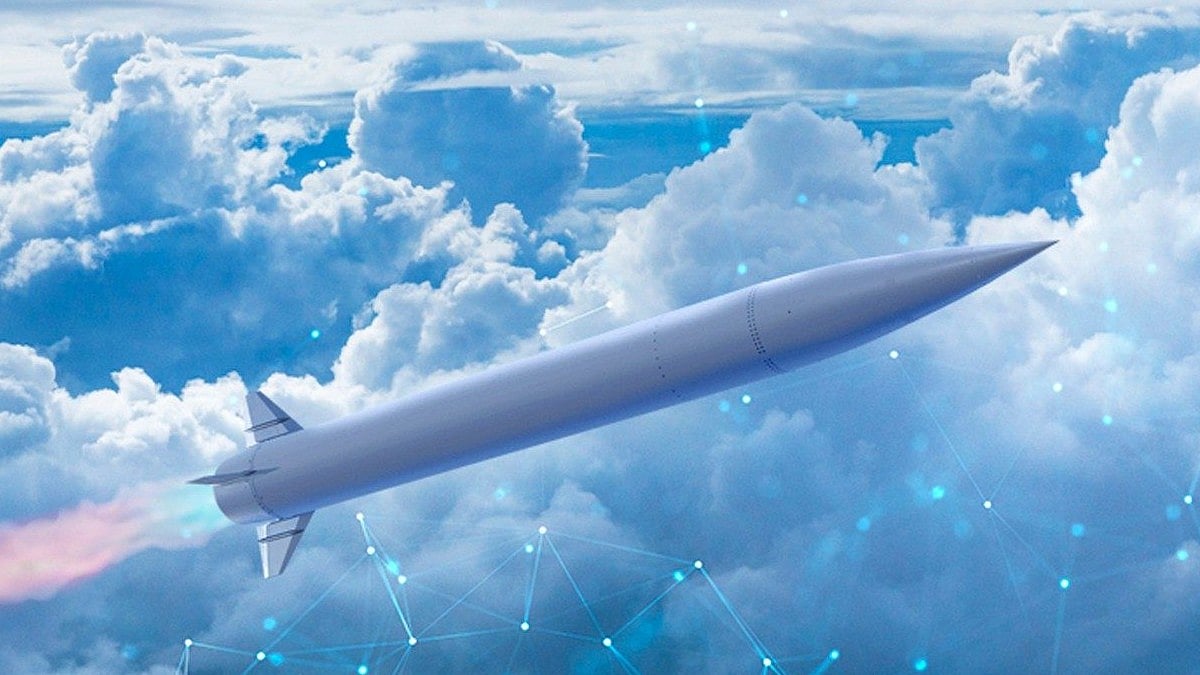
The battlefield is changing and at the heart of this shift is a weapon that just made a controversial world debut. On February 28, 2026, during the opening salvos of a new conflict with Iran, the US military deployed its Precision Strike Missile (PrSM) for the first time.
Visit turconews.click for more information.
While the military has touted the missile's "unrivalled deep strike capability," the debut was marred by reports from The New York Times that a PrSM strike in the city of Lamerd hit a sports hall and an elementary school, killing at least 21 people. As this high-tech weapon moves from testing to the front lines, here is a breakdown of what it is, why it exists and the impact of its first use in combat.
What exactly is the PrSM?
The PrSM is the US Army’s next-generation surface-to-surface ballistic missile. Developed by Lockheed Martin, it was designed to replace the ageing ATACMS (Army Tactical Missile System), which has been a staple of the American arsenal since the 1990s.
Unlike older missiles that explode upon impact, the PrSM is an airburst weapon. It is designed to detonate just above its target, shredding everything below with a cloud of tiny tungsten pellets. According to munitions experts cited by The New York Times, this makes it exceptionally lethal against "soft" targets like enemy troops and unarmoured vehicles, but it also creates a wide, pockmarked pattern of damage that can be devastating in residential areas.
Why did the US develop it now?
For decades, the US was prohibited from building missiles like the PrSM by the Intermediate-Range Nuclear Forces (INF) Treaty, a 1987 agreement with the Soviet Union that banned land-based missiles with ranges between 310 and 3,420 miles.
The Trump administration withdrew the US from that treaty in 2019, citing Russian violations. This untied the hands of American engineers, allowing them to push the PrSM's range beyond the old 310-mile (500 km) limit. Today, the PrSM can fly approximately 400 miles, giving the army the ability to strike deep into enemy territory from a safe distance—a capability Admiral Brad Cooper, head of US Central Command (CENTCOM), called "unrivalled" following the strikes in Iran.
How is it different from older missiles?
The PrSM isn’t just faster and longer-ranged than the ATACMS, it’s also more efficient.
Because the PrSM is sleeker than its predecessor, a single HIMARS (High Mobility Artillery Rocket System) launcher can carry two PrSM missiles in the same pod that used to hold only one ATACMS.
It is fired from highly mobile, truck-mounted launchers. This shoot and scoot capability makes it very difficult for an enemy to track or destroy the launcher before it moves to a new location. The version used in February (Increment 1) is just the beginning. Future versions are expected to hit moving targets at sea and fly over 600 miles.
Who was affected in the Lamerd strike?
The first combat use of the PrSM has sparked significant humanitarian concern. According to The New York Times and Iranian state media, the February 28 strike in Lamerd hit a sports hall where a female volleyball team was practicing. Among the 21 reported dead were two young students, ages 10 and 11.
While there is an Islamic Revolutionary Guards Corps (IRGC) compound next to the sports hall, visual analysis shows the hall has been a clearly marked civilian facility on digital maps for years. CENTCOM has stated it is looking into the reports but maintains that US forces "do not indiscriminately target civilians."
Where does the conflict go from here?
The confirmed use of the PrSM marks a new era in Operation Epic Fury, the US-led campaign in Iran. With Lockheed Martin recently signing a deal to quadruple production of these missiles, they are set to become the backbone of American long-range artillery. However, the tragedy in Lamerd has raised urgent questions about the accuracy of these new systems and whether a weapon designed for the open plains of a traditional battlefield can be used safely near civilian populations.