What to know about U.K.'s deadly meningitis outbreak
· Toronto Sun
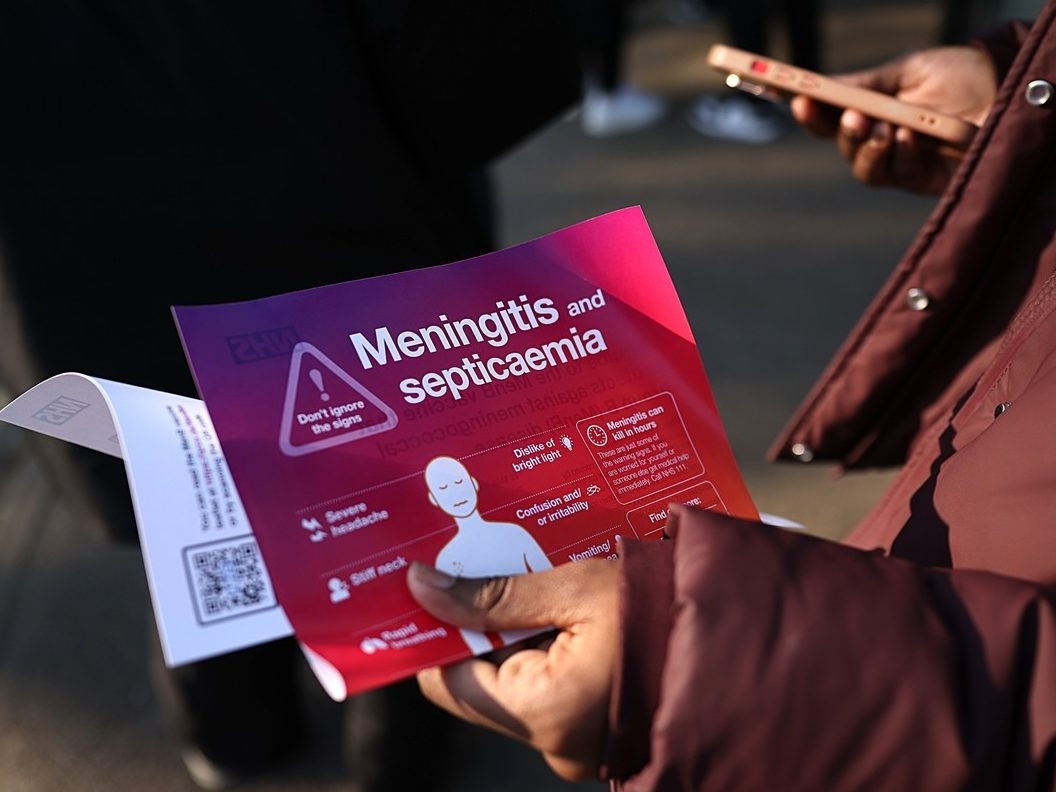
Health officials in the U.K. are hoping to contain the spread of meningitis after 27 reported cases of the deadly disease were believed to have originated in the county of Kent in southeast England.
The outbreak was described as unprecedented by Health Secretary Wes Streeting. The first case of meningitis was confirmed on March 13.
Visit fishroad-app.com for more information.
The spread of the disease has so far killed one university student and a student from a nearby school, which prompted health officials to rapidly roll out medical intervention.
Most of the cases were linked to the University of Kent in the historic cathedral city of Canterbury. Students are being offered antibiotics as well as a vaccination against the strain identified as the source of the outbreak.
Here’s what to know about the disease and the outbreak:
What is meningitis?
Meningitis is a potentially deadly infection that causes inflammation of the brain or spinal cord linings, which can lead to sepsis.
The U.K. outbreak comes from bacterial meningitis, which is rarer and deadlier than the viral type.
Symptoms include headache, fever, drowsiness, a stiff neck or rash.
The disease can progress rapidly and can spread through close contact, like kissing or sharing of vapes or drinks.
More than two million people contract meningitis annually worldwide, according to the Meningitis Research Foundation, with 80% of them in developing countries.
Meningitis outbreaks are common among university students in the West.
Where does meningitis come from?
Meningitis can result from meningococcal disease, a serious illness caused by meningococcal bacteria.
It’s normally spread by people who carry the bacteria in the back of their throat or nose, but symptoms don’t develop.
There are multiple strains of the bacteria. In the U.K. outbreak, there are at least nine confirmed cases of group B meningococcal disease, the most common in the country.
The epicentre of the U.K. outbreak is believed to be the Club Chemistry nightclub in Canterbury, according to Streeting, with at least 10 confirmed cases from the club between March 5 and 7.
How widespread is the outbreak?
As of Thursday, at least 27 cases were being investigated, with 15 confirmed.
The first confirmed case was reported on March 13. Two people have died so far.
Many of those affected are University of Kent students. There have also been cases in four Kent schools and a London school.
Officials weren’t able to confirm whether the outbreak had been contained as of Thursday.
Why is the outbreak unprecedented?
The outbreak is unprecedented because of its unusual speed and spread in such a short span of time.
Meningitis tends to happen in small clusters in the U.K.
“In my 35 years working in medicine, in healthcare and hospitals, this is the most cases I’ve seen in a single weekend with this type of infection,” Health Security Agency (UKHSA) head Susan Hopkins said.
“This looks like a superspreader event, with ongoing spread within the halls of residence in the universities.
The UKHSA was alerted to the first case on March 13 and began tracing contacts.
The following day, France informed U.K. authorities of a case of a person who had been at the university and was hospitalized in France.
Samples collected from patients are being analyzed in the laboratory, which could give a better picture of the strain and why the infection has been more widespread.
What has the official response been?
Health officials are working fast to identify close contacts of those who fell ill. Multiple health clinics have also been set up in Canterbury to distribute antibiotics.
Prime Minister Keir Starmer urged anyone who was at the nightclub the weekend of the outbreak to get antibiotics to help stop the spread.
The overall risk to the general public remains low.
Bacterial meningitis normally needs hospital treatment.
Meningitis can be prevented via vaccines. The University of Kent has rolled out a targeted vaccination program to provide 5,000 shots to students.
While vaccines against some strains are administered routinely to children in the U.K., the shot against group B meningococcal disease has only been on the immunization schedule since 2015.
That year, the U.K. became the first country in the world to add the shot to its program.
Streeting said it’s “not necessary” for people to rush out and buy vaccines in response to the outbreak.
— With files from AFP and The Associated Press