Burial fees row deepens as residents threaten backyard funerals
· Citizen
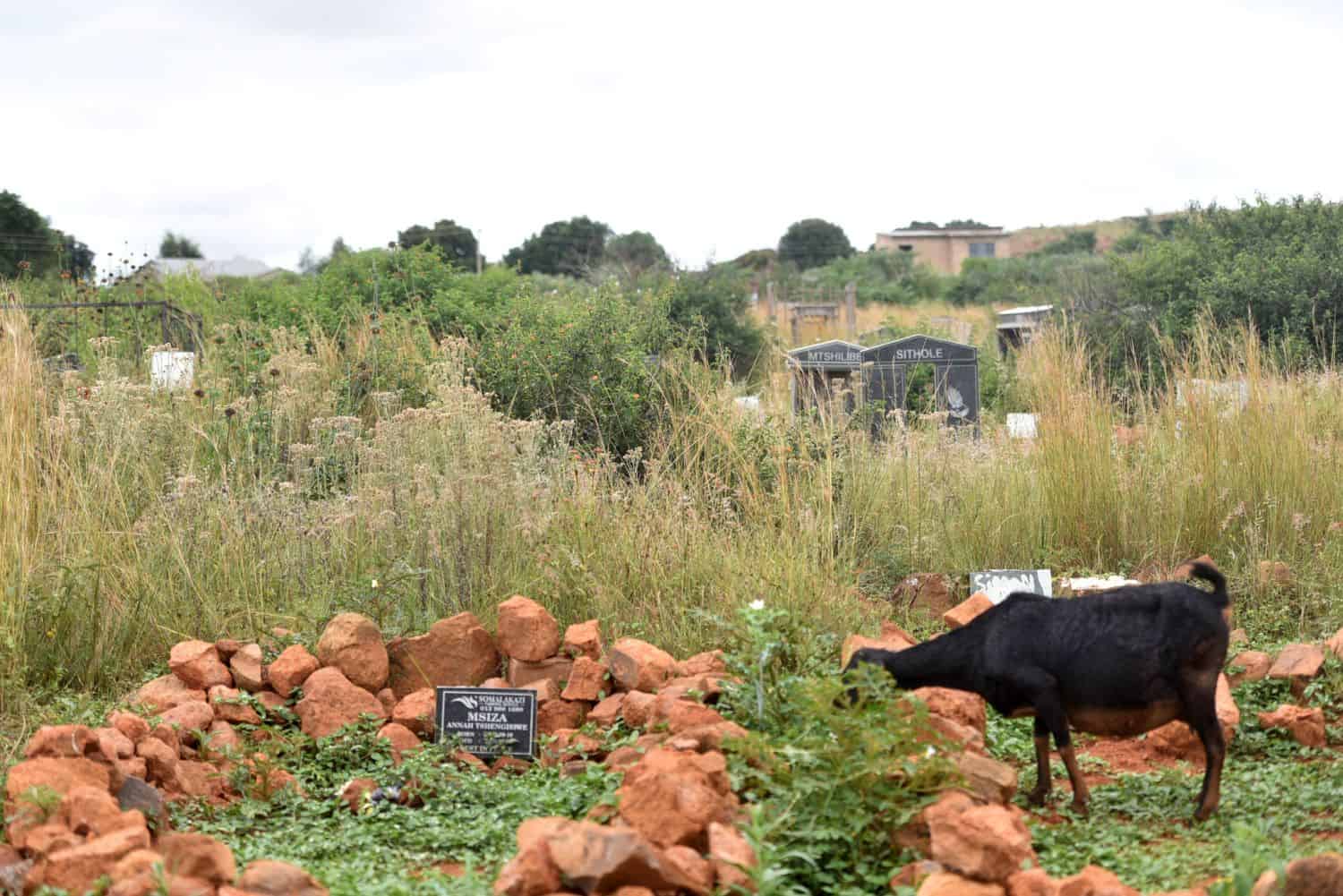
The Thembisile Hani local municipality in Mpumalanga has defended its contentious cemetery tariffs, arguing that the fees are necessary to improve deteriorating burial sites.
Visit iwanktv.club for more information.
But residents have since vowed to defy the cemetery tariffs, warning they would rather bury their loved ones in their own backyards than pay the disputed fees.
‘They can keep their cemetery’
It was agreed at a civic meeting held on Thursday that the tariffs would be boycotted and that the residents would rather conduct backyard burials.
“This plot does not belong to the municipality. They can keep their cemetery. I am not paying cent… I will be buried in my yard,” a fuming 67-year-old Msongelwa Ntuli, from Moloto, said, pointing to the ground.
Last month, the municipality published its cemetery fees: R185.24 per adult grave, R92.62 for a child and R648.35 for grave-digging services.
Burial fees meant for ‘improvements’ at cemeteries
Municipal manager Dumisani Mahlangu said the cemetery charges are governed by municipal by-laws and national legislation, including the Constitution and the Local Government Municipal Systems Act.
He said these laws give local governments the responsibility to regulate burial sites and set tariffs in a manner that is “fair and sustainable”.
ALSO READ: R20 million later, Boitumelo clinic remains a hole in the ground
Mahlangu explained that the fees were intended to fund long-overdue improvements at neglected graveyards.
“The payable tariff allows the municipality to improve and maintain the cemeteries…There are currently unfenced cemeteries with no ablution facilities or a burial register,” he said.
Community anger
Mahlangu conceded that several graveyards lacked basic infrastructure but said the municipality was working towards providing more dignified burial services.
However, the explanation has done little to calm anger among local civic movements.
The Asihlanganeni Civic Movement rejected the municipality’s justification, describing the tariff structure as insensitive to the financial realities faced by many residents.
With neglected graveyards, communities are demanding accountability over burial tariffs. Picture: Nigel Sibanda/The CitizenCommunity liaison officer, Phumy Ndlovu, said the organisation had lodged a formal objection to the cemetery fees, particularly the charges for grave digging.
“We find these charges to be disconnected from the socio-economic reality of our community. High unemployment has left many families in a position of extreme financial vulnerability… Furthermore, the lack of basic maintenance at our local graveyards makes these fees even more unjustifiable,” Ndlovu said.
The Citizen has reported that the municipality is facing a backlash on the cemetery tariffs that residents have rejected as unjustifiable given the dire state of local burial grounds.
ALSO READ: Grieving families protest cemetery fees amid crumbling facilities
The civic movement has since demanded that the municipality urgently review its cemetery tariff policy and introduce measures that consider the economic hardship faced by residents.
“We advocate for a policy that reflects empathy and social justice rather than one that burdens the grieving,” she said.
In its response, the municipality also addressed concerns about general service delivery, stating that households currently pay a flat rate for basic services such as water supply, sanitation and waste collection.
The municipality also conceded that water shortages remain a challenge but that this was being dealt with through a “vula-vala [open-shut]” distribution system to manage limited supply.
Despite these assurances, tensions between residents and municipal authorities appear far from resolved.
Morbid service delivery
The civic movement said that the issue of burial costs has become symbolic of broader frustrations over service delivery and infrastructure neglect.
“We have observed a disturbing trend where critical infrastructure, specifically road maintenance and water supply, is only prioritised during funeral proceedings. Our roads remain in a state of decay, and our taps remain dry throughout the week, only to see ‘miraculous’ temporary repairs and water availability on Fridays,” Ndlovu said.
She said it was unacceptable that the municipality only recognised the needs of the living when it was time to bury the dead.
Ndlovu said they reject this morbid management style that links basic human rights to funeral events and exorbitant grave-digging fees.
“We demand a consistent, seven-day service delivery cycle that respects the dignity of our residents every day, not just during their time of grief,” she added.
READ NEXT: ‘Security guards guard nothing’: R30m agri-hub stripped bare